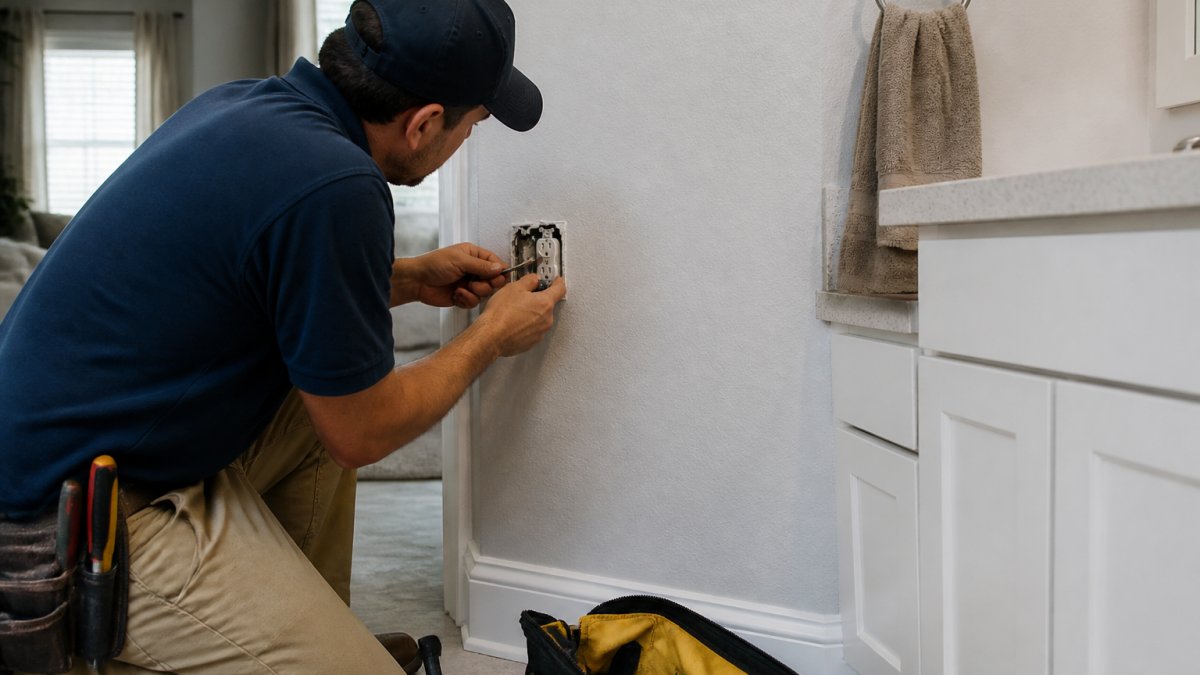
How to Hire Help for Small Home Repairs
Table of Contents
- What Small Home Repairs Actually Need Professional Help
- How to Describe a Repair Job So You Get the Right Provider
- Finding Local Professionals for Your Repair Tasks
- Questions to Ask a Handyman Before You Hire
- Understanding Handyman Hourly Rates and Cost Estimates
- Your Handyman Hiring Checklist: Verification and Protection
- Completing Your Repair Project Safely and Securely
- Frequently Asked Questions
Last Updated: October 11, 2026
What Small Home Repairs Actually Need Professional Help
When deciding whether to hire help small home repairs, consider the scope, your skill level, risk involved, and expertise required.
Small repairs fall into three categories: DIY-friendly, handyman-appropriate, and specialist-only.
DIY-Friendly Repairs
Low-risk tasks where mistakes are easily fixed: interior drywall patching, door adjustments, cabinet repairs, loose hinges, squeaky floorboards, caulking gaps, minor fence fixes, gutter cleaning, and loose siding. These don’t involve structural integrity, electrical current, water lines, or gas lines. The cost of failure is minimal.
Jobs requiring skill, proper tools, or code knowledge but not a licensed specialist: replacing cabinet hardware, installing shelving, patching drywall, fixing squeaky stairs, adjusting sticky doors, replacing light fixtures (with breaker off), unclogging drains, replacing faucet washers, fixing loose railings, and minor carpentry. A handyman completes work faster and catches issues you’d miss.
Specialist-Only Repairs
Licensed professionals required for: plumbing beyond drain cleaning, electrical work beyond breaker flipping, HVAC, roof repair, structural work, gas lines, and permitted work. Many states legally require licensing. Unpermitted work may void insurance. Mistakes risk water damage, mold, fire, electrocution, or structural compromise.
The Time and Skill Reality Check
A two-hour DIY task often stretches to four or five hours with hardware store trips and false starts. Hiring help for small home repairs is practical when time matters. Professionals also spot underlying issues, a sticking door might signal foundation settling, or a leaky faucet might indicate line corrosion.
Decision Framework
Ask yourself: (1) Does this require a license or permit? (2) Could a mistake cause injury, damage, or code violation? (3) Do you have tools and experience? (4) How much time will it take versus your hourly value? (5) What’s the cost difference? A handyman minimum may beat 6 hours of DIY time plus materials.
How to Describe a Repair Job So You Get the Right Provider
Specific job descriptions attract qualified bids. Start with the problem: “The bedroom door won’t latch, it sticks at the top when closing” rather than “fix my door.” Include photos, measurements, current condition, what you’ve already tried, and access details (hours, keys, pets). This prevents back-and-forth messages and scheduling issues.
Finding Local Professionals for Your Repair Tasks
Local task marketplaces connect you with nearby providers without middleman markup. Post your repair and compare bids from qualified locals. Check ratings and feedback for reliability and quality. Providers five minutes away are more available and know local conditions better than those thirty minutes away.

Questions to Ask a Handyman Before You Hire
Before booking, ask: (1) Do they have licensing and liability insurance? (2) What’s the exact scope, timeline, and materials cost? (3) Can they provide a written estimate? (4) How do they handle unexpected issues? (5) Do they offer warranty or follow-up service? Vague answers are red flags.
Understanding Handyman Hourly Rates and Cost Estimates
Handyman pricing varies by location, complexity, and demand. Understand what you’re paying for to compare quotes accurately.
Pricing Models
Providers charge hourly or by project. Hourly rates ($50-$150/hr) work for unclear scopes; project rates work when scope is fixed. Urban and specialized trades cost more; rural and general work cost less. Rush jobs, evenings, weekends, and holidays carry 25-50% premiums.
Minimum Service Charges
Expect minimum fees of 30-60 minutes labor, even for quick tasks. This covers travel and scheduling. Some providers charge separate travel fees instead. Ask which applies.
Material Costs and Markups
Material markups vary (10-30%, cost-plus, or pass-through). Professionals often get better supplier pricing, so marked-up costs may beat retail. Always request a written materials estimate.
Platform and Service Fees
If you hire through an online platform or app, expect a service fee on top of the provider’s quoted price. This covers the platform’s payment processing, customer support, and dispute resolution. Some platforms charge the provider; others charge you. Clarify upfront.
Total-Cost Comparison Worksheet
To compare quotes fairly, build a total-cost estimate for each provider:
| Cost Component | Provider A | Provider B | Provider C |
|---|---|---|---|
| Hourly rate ($/hr) | , | , | , |
| Estimated labor hours | , | , | , |
| Labor subtotal | , | , | , |
| Minimum charge (if applicable) | , | , | , |
| Travel/service fee | , | , | , |
| Materials (estimated) | , | , | , |
| Materials markup (if any) | , | , | , |
| Platform fee (if applicable) | , | , | , |
| Total estimated cost | , | , | , |
Fill this out for each quote you receive. This reveals the true cost, not just the hourly rate. A provider with a certain hourly rate and a minimum might cost less than another provider with a different rate and no minimum, depending on job length.
Bundling Discounts
If you have multiple small repairs, ask about bundling discounts. A handyman tackling multiple tasks in one visit might offer a discount off the total, since they’re not making multiple trips or scheduling separate visits. This is one of the biggest cost-saving opportunities for homeowners with a backlog of small jobs.
Getting a Written Estimate
Don’t rely on a verbal quote. A written estimate shows professionalism and gives you something to reference if questions arise. It should list:
- The specific work to be done (not “fix door” but “adjust top hinge and tighten latch strike plate”)
- Materials needed and estimated cost
- Labor hours and hourly rate (or flat project fee)
- Any travel, minimum, or service fees
- Total cost
- Timeline (start date, estimated duration)
- What happens if unexpected issues arise (will they stop and ask, or charge extra?)
- Payment terms (deposit, balance due, accepted methods)
- Warranty or guarantee on the work
Location and Timing Effects
Location affects pricing significantly. Urban areas typically cost more than rural ones due to higher overhead and demand. Rush jobs and evenings or weekends often carry premiums. Seasonal demand also matters, spring and summer are peak seasons for home repairs, so providers may be busier and less flexible on pricing.
Negotiating and Asking Questions
Your Handyman Hiring Checklist: Verification and Protection
Before you hand over money or give someone access to your home, verify key details. This checklist protects you and ensures a smooth transaction.
Check their ID and verify their identity matches their profile. A reputable platform uses ID verification to confirm users are who they claim to be. This simple step prevents fraud and gives you peace of mind.
Confirm they have liability insurance. Ask to see proof. This protects you if they damage your property or get injured. Don’t skip this step for small jobs, accidents happen regardless of job size.
Review their ratings and read recent feedback carefully. Look for patterns in reviews. Consistent praise for reliability and quality is a good sign. One or two bad reviews among dozens of good ones is normal; multiple complaints about similar issues is a red flag.
Use secure payment methods. Platforms with escrow systems hold your payment until work is complete. This protects both you and the provider. Never pay cash upfront for work not yet done.
Get everything in writing. The job description, agreed scope, timeline, and cost should all be documented. Screenshots or messages in the app create a record if disputes arise.
Take photos before work starts. Document the current condition of the area being repaired. After work is done, take more photos. This creates clear evidence of what was done and helps if you need to address quality issues later.
| Verification Step | What to Check | Why It Matters |
|---|---|---|
| Identity verification | ID matches profile | Prevents fraud and confirms legitimacy |
| Insurance | Liability coverage proof | Protects you from injury/damage claims |
| Ratings | Recent feedback and patterns | Reveals reliability and quality history |
| Payment method | Escrow or secure system | Protects both parties during transaction |
| Written agreement | Scope, timeline, cost | Creates record for dispute resolution |
| Before/after photos | Visual documentation | Proves what work was completed |
Completing Your Repair Project Safely and Securely
Once you’ve decided to hire help small home repairs through a trusted platform, the final steps ensure everything goes smoothly. Preparation on your end makes the job easier for everyone.
Clear the work area before they arrive. Move furniture, pets, and obstacles out of the way. This saves them time and prevents damage to your belongings. It also shows you’re organized and respectful of their time.
Be present during the work. You don’t need to hover, but being home allows you to answer questions and approve changes. If something unexpected comes up, you can make decisions immediately rather than delaying the project.
Inspect the work before final payment. Walk through with them and verify everything meets your expectations. Ask them to explain what they did and why. If something doesn’t look right, address it immediately while they’re still there.
Confirm payment goes through smoothly. Use the platform’s secure payment system so there’s a record. Both of you should receive confirmation of the transaction.
Save their profile for future Tasks. A reliable Bidder who did good work is someone worth keeping, and they already know your home and preferences.
Leave honest feedback. Rate your experience and write a brief comment. This helps other homeowners make informed decisions and builds the reputation of good providers. It also signals to the platform that you had a positive experience.
Getting small home repairs done doesn’t have to be complicated. The key is finding someone reliable, being clear about what you need, and protecting yourself throughout the process. Biddy Jobs makes this easier by connecting you with local professionals in your area. With ID-verified users, secure escrow payments, and community ratings, you get the help you need without the hassle. Download Biddy and post your first repair job today, you’ll have qualified bids and peace of mind knowing your home is in good hands.
Frequently Asked Questions
What’s the best way to hire a handyman for small repairs?
Start by clearly describing your repair job with photos and measurements, then post it on a platform where you can compare multiple providers. Ask each candidate about their experience with that specific repair type, verify their ID and references, and get a written estimate before work begins. Using a secure payment system with escrow protection ensures you’re covered if the work doesn’t meet expectations. Always choose someone local to avoid travel delays and get work done faster.
What should I ask a handyman before hiring them?
Ask about their experience with your specific repair type, whether they’re licensed and insured, how long the job typically takes, what the total cost includes (labor, materials, travel), and their availability. Request references from recent jobs and ask about their warranty or guarantee on completed work. Clarify payment terms upfront, whether they accept payment through secure platforms, require a deposit, or charge a minimum service fee. Understanding these details prevents surprises and helps you compare providers fairly.
How much should a handyman charge per hour?
Handyman hourly rates vary based on location, job complexity, and the provider’s experience level. Rates typically reflect the scope of work, simple tasks may have a minimum fee, while specialized repairs cost more. When comparing quotes, look at the total project cost rather than just the hourly rate, since some providers finish faster than others. Always get written estimates from multiple providers so you can see what’s included and compare true total costs, not just per-hour figures.
What red flags should I watch for when hiring a handyman?
Avoid providers who demand full payment upfront, won’t provide references, refuse to give a written estimate, or pressure you to decide immediately. Be cautious of anyone without ID verification or who avoids discussing insurance and licensing. If a provider guarantees a price without seeing the job, that’s often a sign they may add unexpected charges later. Trust your instincts, if communication feels unclear or evasive, move on to someone else. Using a platform with ID verification and escrow payment protection helps filter out unreliable providers from the start.